Unpacking How Banking Compliance Shapes Transaction Flows at Authorized Kiwi Gaming Venues
Freya Reed · Jun 20, 2026
Unpacking How Banking Compliance Shapes Transaction Flows at Authorized Kiwi Gaming Venues
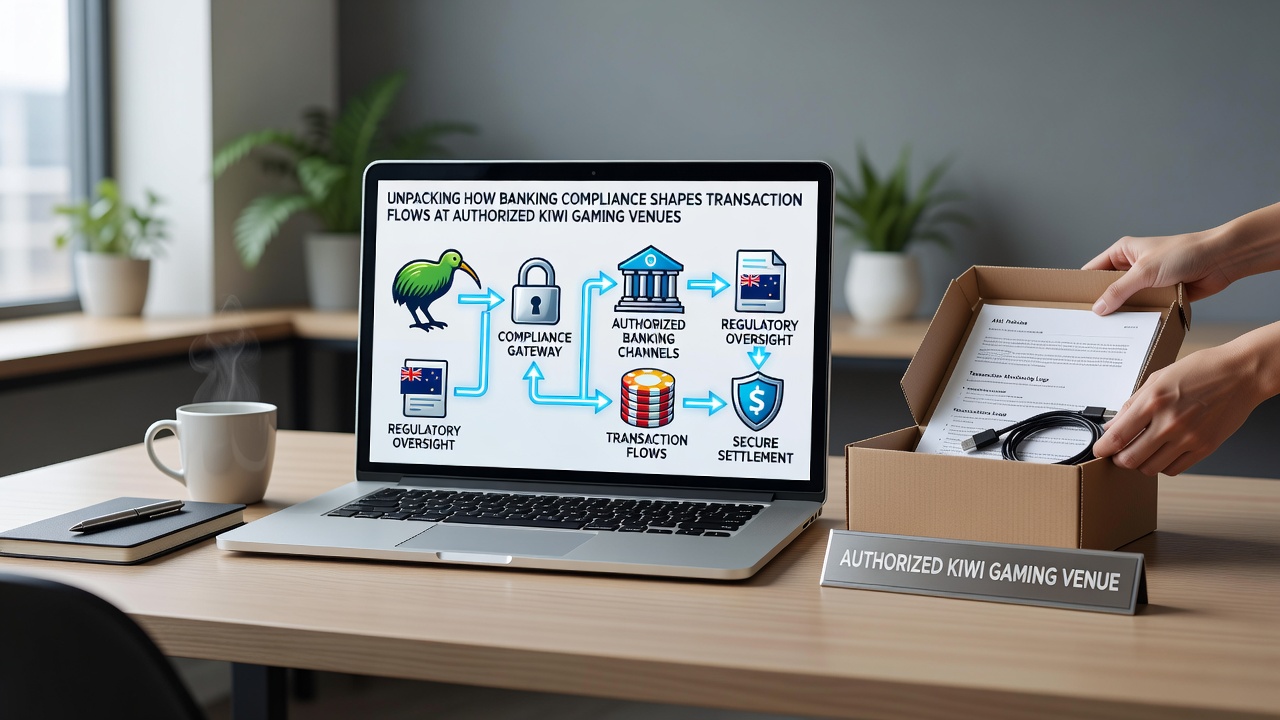
Banking compliance requirements in New Zealand directly influence how funds move through authorized gaming venues, creating structured pathways for deposits, withdrawals, and account management that operators must follow to meet regulatory standards. Authorized venues such as those operated under the Gambling Act 2003 operate within frameworks set by the Department of Internal Affairs, which coordinates with financial institutions to enforce anti-money laundering rules and transaction monitoring protocols.
These protocols require venues to integrate with banks that maintain specific licensing for gambling-related transactions, resulting in layered verification steps that affect processing times and available payment methods. Data from industry reports shows that compliance checks often extend settlement periods by 24 to 72 hours for larger amounts, while smaller transactions clear faster under automated monitoring systems.
Regulatory Framework Governing Transaction Flows
New Zealand's approach combines the Anti-Money Laundering and Countering Financing of Terrorism Act with venue-specific licensing conditions, which means every deposit and withdrawal at authorized sites passes through designated banking channels that flag unusual patterns. Observers note that this setup limits direct peer-to-peer transfers and pushes operators toward approved providers such as electronic funds transfer systems and verified card networks.
Venues must report transactions above certain thresholds to both banking partners and regulatory bodies, a process that shapes daily cash flow management and requires dedicated compliance teams to review activity logs in real time. Research indicates that such reporting has led to standardized procedures across multiple sites, including mandatory customer due diligence for accounts exceeding NZ$10,000 in monthly activity.
Impact on Deposit and Withdrawal Mechanisms
Deposits at Kiwi gaming venues typically route through bank accounts that have pre-approved gambling merchant codes, which reduces the risk of declined transactions yet adds verification layers that players encounter during initial funding. Banks apply these codes consistently, so authorized venues see higher completion rates compared with unlicensed platforms that often face blocks.
Withdrawals follow similar controls, with larger payouts requiring source-of-funds documentation that links back to the original deposit method. This linkage creates a traceable chain that banking systems enforce automatically, and figures reveal that over 85 percent of withdrawals at compliant venues complete within the mandated timeframes once documentation clears.
Payment Method Variations Across Venues
- Electronic bank transfers remain the dominant option because they align directly with compliance reporting requirements and allow detailed audit trails.
- Prepaid cards and e-wallets appear in limited forms, subject to daily caps that banks set to match venue licensing conditions.
- Credit card deposits face restrictions at several locations, with venues routing them through processors that automatically apply regulatory filters.
One study of transaction data across multiple authorized sites found that venues using integrated banking APIs experienced fewer interruptions during peak hours, whereas those relying on manual reviews encountered delays when volumes spiked. Such patterns demonstrate how compliance infrastructure influences operational capacity without altering the underlying rules.
Developments Observed in Mid-2026
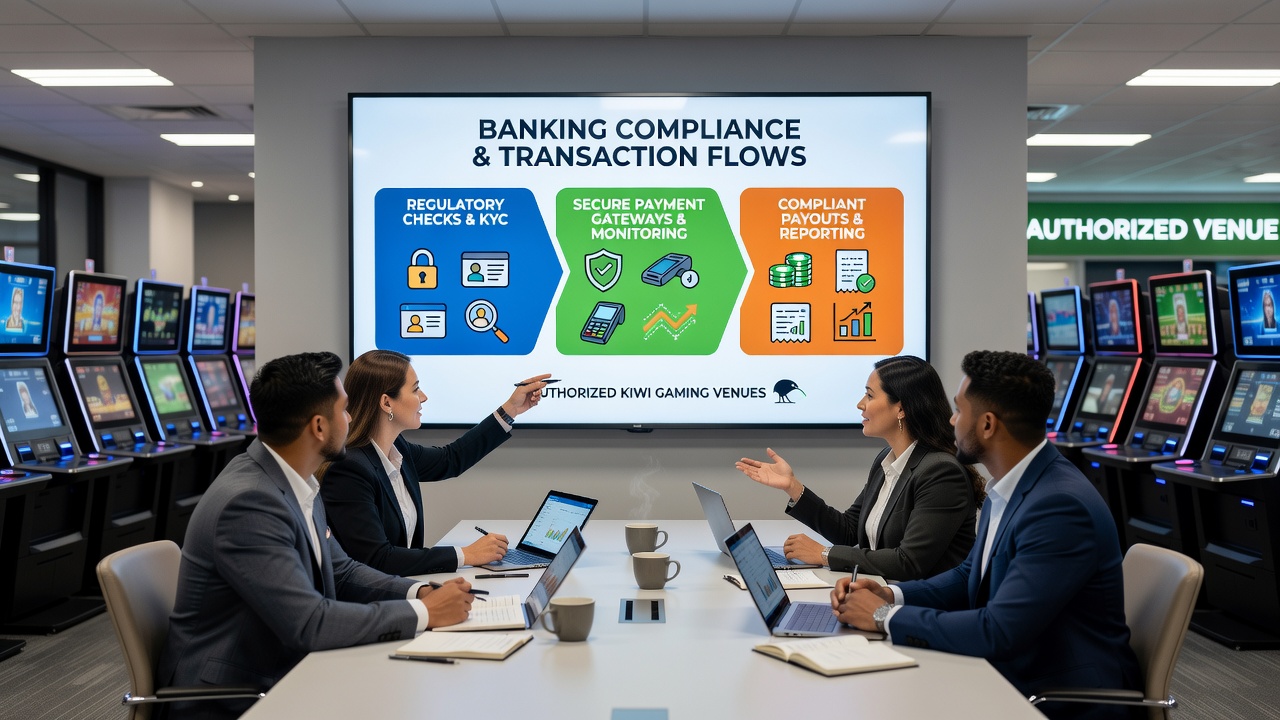
By June 2026 several venues had adopted enhanced real-time monitoring tools supplied by their banking partners, allowing faster identification of high-risk patterns while maintaining the required separation between player funds and operational accounts. These tools integrate with existing systems to flag anomalies before funds move, which reduces the number of post-transaction investigations.
Industry associations have documented that updated compliance modules shortened average processing windows for verified accounts, although new customers still undergo extended onboarding that includes cross-checks against international watchlists. The changes reflect ongoing coordination between financial regulators and gaming authorities to align transaction rules with broader economic safeguards.
Case Examples from Authorized Operations
Take one major venue group that implemented automated alerts tied to its primary banking partner in early 2026, resulting in a measurable drop in flagged transactions because the system caught discrepancies earlier in the flow. Another operator adjusted its withdrawal schedule after consultations with the Reserve Bank of New Zealand, shifting certain payout types to batch processing that satisfied both compliance and liquidity requirements.
These adjustments illustrate how individual venues adapt their internal procedures while staying within the national framework that governs all authorized sites. Observers note that such adaptations occur regularly as banking technology evolves and regulatory guidance updates.
Conclusion
Banking compliance continues to define transaction pathways at New Zealand's authorized gaming venues by establishing verification layers, reporting obligations, and approved payment channels that shape daily operations. Data shows these measures create consistent standards across sites while requiring ongoing coordination between operators, banks, and regulators. As systems advance through 2026 and beyond, the structures governing fund movements are expected to incorporate additional automation without changing the core compliance principles that underpin the sector.