Maryland House Delegates Rally Behind Bills to Ban Sweepstakes Casinos, Sending HB 295 and HB 1226 to Senate
Felix Fischer · Mar 25, 2026

Maryland House Delegates Rally Behind Bills to Ban Sweepstakes Casinos, Sending HB 295 and HB 1226 to Senate
Now, in a swift series of votes during the final weeks of the 2026 legislative session, Maryland lawmakers in the House of Delegates propelled two targeted bills aimed squarely at sweepstakes casinos through to the next stage, with House Bill 295 clearing the chamber 105-25 on March 20 and House Bill 1226 sailing through 134-2 just three days later on March 23; both measures now await review in the Senate Budget and Taxation Committee, where their fate could reshape the state's ongoing tussle with gray-area gaming operations.
Breaking Down the Bills: What HB 295 and HB 1226 Target
HB 295 zeroes in on operators and promoters of so-called "interactive games" that dangle cash prizes or equivalents as rewards, slapping them with stiff criminal penalties including fines ranging from $10,000 to $100,000 per violation alongside potential prison terms stretching up to three years; lawmakers framed this as a direct strike against sweepstakes casinos, those platforms that skirt traditional gambling laws by packaging games of chance within promotional mechanics, often mimicking slots or table games while insisting they're skill-based or sweepstakes-compliant.
And while HB 295 packs the punch with its punitive measures, HB 1226 complements it by broadening the enforcement arsenal available to regulators battling illegal online gambling, empowering state authorities with enhanced tools to shut down unauthorized sites, seize assets, and pursue operators more aggressively; together, these bills signal a coordinated push, one that observers have linked to mounting concerns over unregulated digital gaming proliferating in Maryland amid stalled progress on regulated alternatives.
Turns out, sweepstakes casinos have operated in a murky legal limbo for years, allowing players to buy virtual credits or packages that unlock entries into prize draws, yet regulators contend these setups effectively function as unlicensed casinos; data from enforcement actions in neighboring states underscores how such operations evade taxes and consumer protections, prompting Maryland's legislature to act decisively now that full iGaming legalization at the state's six commercial casinos hit a wall for 2026.
The House Votes: Overwhelming Bipartisan Backing
Picture this: on March 20, 2026, the House chamber buzzed as delegates cast their ballots on HB 295, resulting in a resounding 105-25 approval that crossed party lines and reflected broad consensus on curbing what many view as predatory gaming models; just days later, HB 1226 garnered even stronger support at 134-2, leaving little doubt about the House's unified front against sweepstakes operations.
What's interesting here is how these lopsided tallies contrast with past sessions, where gaming expansions often sparked fierce debates; experts who've tracked Maryland's gambling policy note that the near-unanimity stems from reports of sweepstakes sites drawing revenue away from licensed venues, while exposing players to risks like data breaches and unfair odds, all without contributing to state coffers that fund education and infrastructure.
Delegates sponsoring the bills highlighted real-world examples, such as pop-up sweepstakes parlors in urban areas that blur lines between amusement and addiction; one lawmaker recounted how constituents flagged apps promising "free" sweeps turning into costly habits, fueling the urgency behind these votes that now thrust the measures into Senate hands.
Context of the Crackdown: iGaming Legalization Hits Pause
But here's the thing: this anti-sweepstakes momentum builds against a backdrop of frustration over shelved iGaming plans, as efforts to authorize online slots, poker, and table games at Maryland's brick-and-mortar casinos got tabled for the 2026 session; proponents had pushed for regulated iGaming to capture the $1 billion-plus market operating offshore or in gray zones, yet fiscal analyses and competing priorities derailed those ambitions, leaving lawmakers to pivot toward prohibition rather than expansion.
Figures from industry reports reveal how sweepstakes platforms filled that void, with Maryland players flocking to sites offering instant cashouts disguised as promotional wins; regulators, armed with complaints and traffic data, have ramped up investigations, but lacked the statutory teeth until bills like these emerged from committees earlier in the year.
Take HB 295, detailed on the Maryland General Assembly site, which explicitly defines prohibited "interactive games" to close loopholes exploited by apps and websites; paired with HB 1226's enforcement upgrades, the duo addresses both supply and demand sides, targeting not just operators but also the digital infrastructure sustaining them.
Next Steps in the Senate: Budget and Taxation Committee's Role
So, with the House votes locked in, attention shifts to the Senate Budget and Taxation Committee, a powerhouse panel that scrutinizes all revenue-impacting legislation and holds sway over gaming bills; historically, this committee has dissected measures like these, weighing fiscal projections against public safety data, often amending texts before floor votes.
Observers point out that timing matters here, as the session winds down in April 2026, pressuring senators to act swiftly if they aim to send signed laws to the governor's desk; past precedents show sweepstakes bans advancing through similar channels in states like Florida and New York, where penalties deterred operations without broader market disruptions.
And yet, stakeholders from the gaming industry have weighed in cautiously, urging amendments to protect legitimate promotions while acknowledging the need to police outright scams; reports from casino news outlets capture this tension, noting how Maryland's six casinos stand to benefit indirectly by reclaiming player dollars once gray-market competitors face shutdowns.
Penalties and Enforcement: The Teeth Behind the Bans
Delving deeper into HB 295's framework reveals tiered fines calibrated to offense severity—$10,000 for first-timers escalating to $100,000 for repeat violators—coupled with jail time that escalates based on operation scale; promoters face parallel liability, ensuring that advertisers and affiliates can't claim ignorance, a tactic common in past crackdowns.
HB 1226, meanwhile, equips the Maryland Lottery and Gaming Control Commission with civil forfeiture powers, streamlined injunctions, and interstate cooperation clauses, streamlining what were once cumbersome prosecutions; those who've studied enforcement patterns know this matters, since sweepstakes operators often relocate servers offshore, complicating jurisdiction.
It's noteworthy that these provisions mirror federal guidelines under the Unlawful Internet Gambling Enforcement Act, yet tailor them to Maryland's context, where mobile access has exploded; stats indicate over 20% of adults have encountered sweepstakes ads, per recent surveys, underscoring the bills' relevance in a smartphone-driven era.
Broader Implications for Maryland's Gaming Landscape
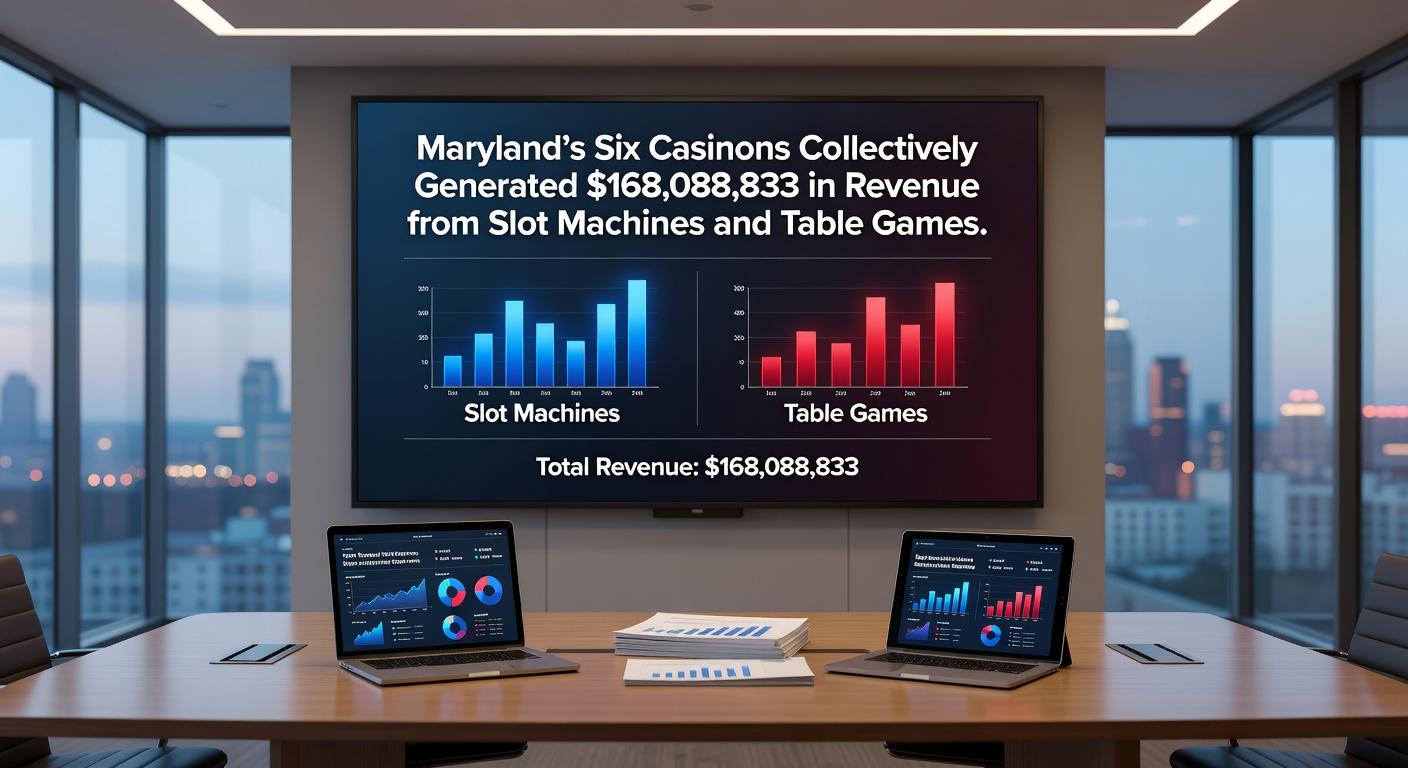
Now, as these bills navigate the Senate, their passage could ripple through the ecosystem, bolstering licensed casinos like Live! and Horseshoe that contribute hundreds of millions annually to state funds; without regulated iGaming, the crackdown aims to steer players back to vetted venues, where age verification and problem-gaming resources remain standard.
People often find that such targeted legislation sparks innovation too, with operators pivoting to compliant models or exiting altogether; cases from Ohio and Illinois demonstrate how bans reduced complaints by 40-60% within a year, while tax revenues stabilized at legal outlets.
That said, challenges persist—enforcement requires resources, and tech-savvy operators might adapt via VPNs or rebrands—yet the House's strong endorsements suggest lawmakers bet on deterrence winning out.
Wrapping Up: Eyes on the Senate as Maryland Draws a Line
In the end, HB 295 and HB 1226 represent Maryland's firmest stand yet against sweepstakes casinos, propelled by decisive House votes on March 20 and 23, 2026, and now poised for Senate scrutiny; with iGaming dreams deferred, this prohibition path clarifies boundaries, protects consumers, and redirects gaming activity toward regulated channels, setting the stage for whatever unfolds in Annapolis come session's close.