Exploring Payment Security Standards Across New Zealand's Licensed Online Gambling Platforms
Finley Schmitz · Aug 1, 2026
Exploring Payment Security Standards Across New Zealand's Licensed Online Gambling Platforms
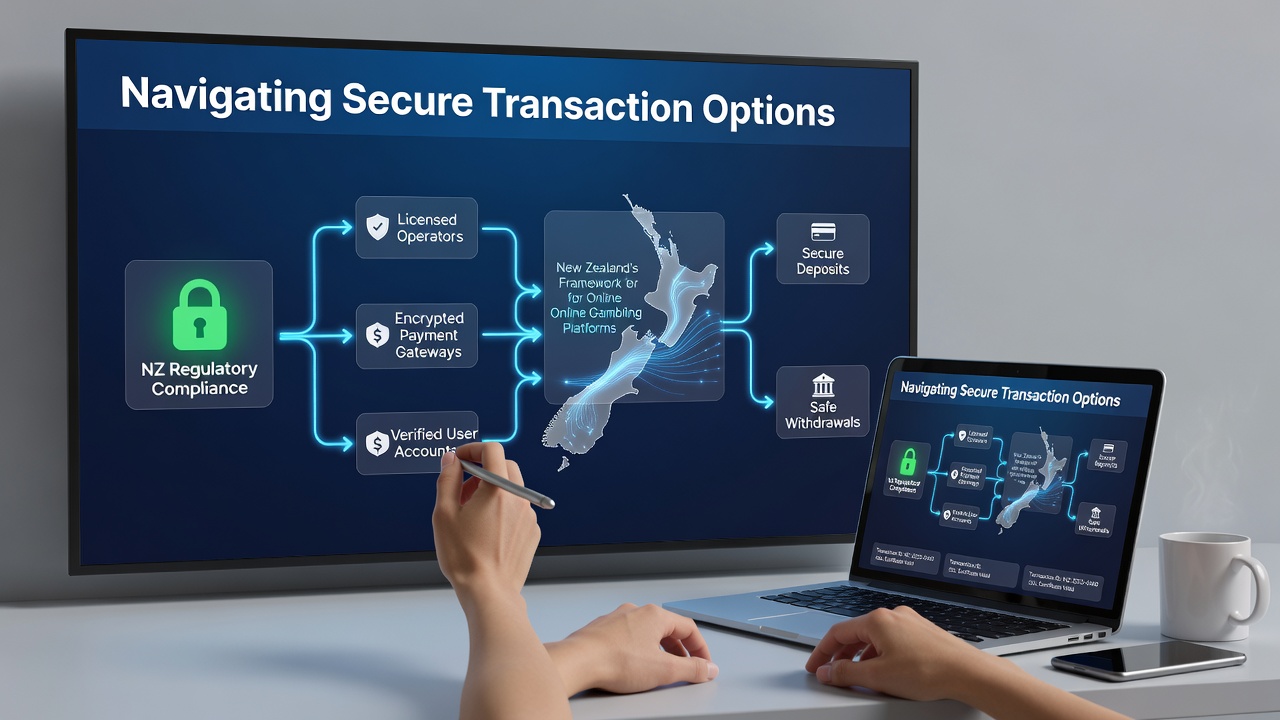
Regulated operators in New Zealand follow strict guidelines when handling financial transactions for online gambling activities, and these rules shape how players interact with deposit and withdrawal systems. The framework emphasizes encryption protocols, identity verification steps, and compliance with anti-money laundering requirements that apply across licensed platforms. Data from industry reports indicate steady growth in digital payment adoption since early 2025, with many sites integrating multiple options to meet user demands while maintaining oversight from the Department of Internal Affairs.
Regulatory Framework Governing Transactions
New Zealand's legislation requires all licensed gambling operators to implement robust security measures that protect user funds and personal data during every transaction stage. These standards align with broader financial regulations that govern electronic payments nationwide, and they extend to real-time monitoring of suspicious activity patterns. Observers note that platforms must undergo regular audits to retain their licenses, which creates consistent accountability across the sector.
Payment processing falls under rules that mandate clear separation between player accounts and operational funds, ensuring that deposits remain accessible for withdrawals at any time. This structure reduces risks associated with operator insolvency while supporting transparent record-keeping that regulators review periodically. Research indicates that such measures have contributed to higher compliance rates among Kiwi-based services compared to offshore alternatives operating without local oversight.
Available Secure Payment Methods
Licensed platforms typically support bank transfers through established financial institutions, which provide end-to-end encryption and automatic reconciliation features that minimize errors. E-wallet services integrated into these sites allow users to complete deposits without sharing full banking details directly with the gambling operator, adding an extra layer of protection. Credit and debit card transactions follow PCI DSS standards, with many platforms limiting acceptance to verified issuers that meet additional security criteria.
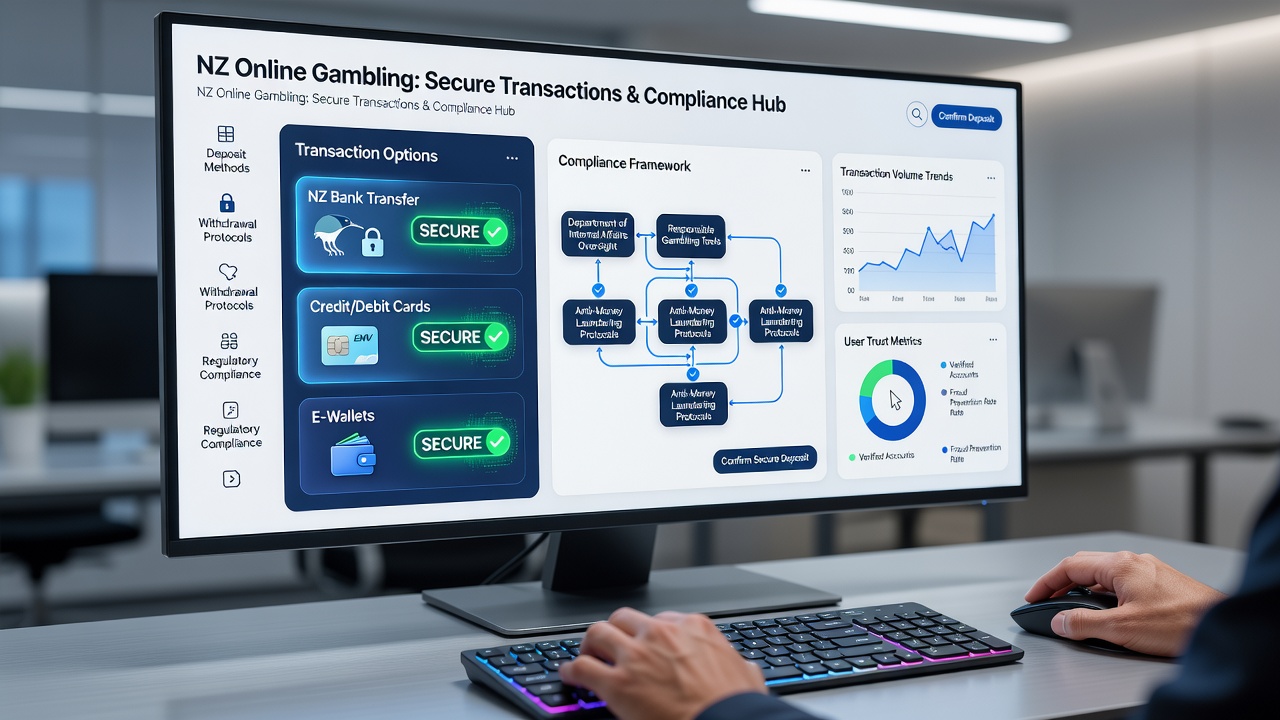
Cryptocurrency options appear on select licensed sites where operators have received explicit approval for digital asset handling, though these remain subject to enhanced verification protocols. Mobile payment solutions tied to local carriers have gained traction as well, offering instant processing times alongside built-in fraud detection tools. Figures reveal that transaction speeds for approved methods average under two minutes for deposits in August 2026, reflecting ongoing infrastructure improvements.
Verification and Compliance Procedures
Operators require users to complete identity checks before processing large or repeated transactions, and these steps often involve uploading government-issued documents alongside proof of address. Such processes help prevent unauthorized access while satisfying know-your-customer obligations embedded in the regulatory code. Automated systems flag discrepancies in real time, prompting manual review by compliance teams when necessary.
Transaction limits vary by payment type and account status, with higher thresholds available after full verification. This tiered approach allows casual users to engage quickly while directing more rigorous checks toward high-volume activity. Reports from financial oversight bodies show that these layered controls have reduced reported incidents of payment disputes across New Zealand platforms over the past year.
Emerging Trends in Transaction Technology
Integration of biometric authentication methods continues to expand on mobile applications, combining fingerprint or facial recognition with existing password systems to strengthen account access. Platforms also explore tokenization techniques that replace sensitive card numbers with unique identifiers during processing, limiting exposure in the event of data breaches. These advancements build on existing encryption standards without altering core regulatory requirements.
Partnerships between gambling operators and fintech providers have introduced features such as instant withdrawal approvals for verified users, shortening wait times that previously stretched across several business days. Data indicates that adoption rates for these faster options increased notably in mid-2026, driven by user preference for seamless experiences. Yet operators maintain manual oversight on larger sums to uphold anti-fraud safeguards.
Conclusion
Secure transaction options within New Zealand's online gambling framework rest on coordinated regulatory, technological, and operational elements that prioritize user protection and compliance. Licensed platforms continue adapting payment systems to incorporate new tools while adhering to established standards, and ongoing developments in August 2026 reflect this balance between innovation and oversight. Those who study these systems find that the combination of verification protocols, diverse payment choices, and audit requirements supports reliable financial interactions across the sector.